


For many Americans, moving to Brazil sounds exciting—better weather, lower living costs, and a fresh chapter of life. But there is one topic retirees should never ignore: Taxes.

Many people assume that leaving the United States ends U.S. tax responsibilities. In many cases, that is not true. U.S. citizens often continue to have filing obligations while also needing to understand Brazilian tax residency rules.
This guide explains the big-picture tax issues for retirees, including expat taxes US, reporting rules, retirement income considerations, and how to stay compliant.
Important Disclaimer
Tax laws change, and each person’s situation is different. This article is educational only—not legal or tax advice. Always work with a licensed tax professional experienced in U.S. expat and Brazilian cross-border matters.
Why Retirees Need a Tax Plan Before Moving

Many retirees focus heavily on:
- Tropical beaches
- Low cost of living
- Visa requirements
- Housing and rentals
But they often completely forget:
- Tax residency triggers
- Foreign account reporting rules
- Specific pension tax treatment
- Currency tracking and exchange records
- International filing deadlines
A move without proper, proactive tax planning can quickly create heavy financial penalties and unnecessary stress.
Do U.S. Citizens Living Abroad Still File Taxes?
Usually, yes. The United States often taxes citizens on worldwide income and still expects annual filing if standard thresholds are met. That is why searches like us citizen living abroad taxes are so common. Even after permanently moving to Brazil, many retirees still file U.S. returns every year.
Common U.S. Filing Responsibilities

Depending on your unique situation, you may need to file:
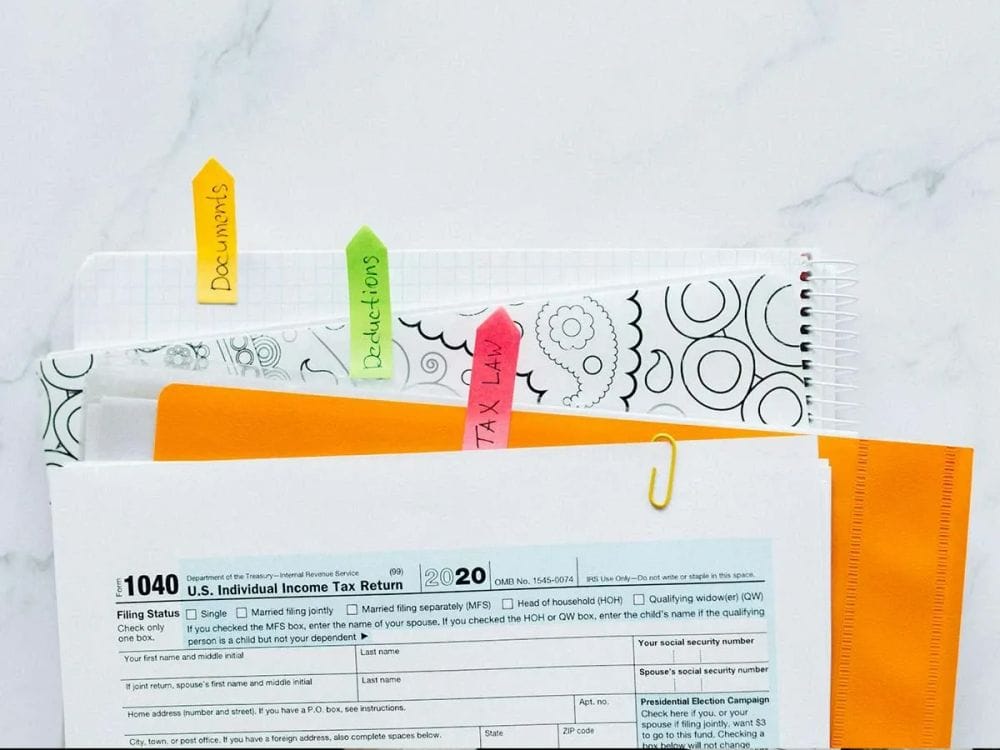
- An annual federal income tax return (Form 1040)
- A state tax review (in some specific cases)
- Foreign account reporting (FBAR and FATCA forms)
- Investment income reporting
- Retirement account distributions reporting
Your exact obligation depends entirely on your total income, global assets, lingering residency ties, and filing status.
Expat Taxes US: What Retirees Should Know
When people search for expat taxes US, they are usually searching for answers to these critical questions:
- Do I still owe taxes to the IRS while living abroad?
- How are my corporate or government pensions treated?
- Am I legally required to report foreign bank accounts?
- What happens if I already paid income tax abroad?
- Can I reduce or eliminate double taxation?
These are common and entirely manageable issues with proper, professional guidance.
Brazilian Tax Residency Basics

Many countries determine taxation partly by residency status. Brazil also has strict rules regarding when a foreigner officially becomes a tax resident. This can depend on specific factors such as:
- Your exact length of stay within a calendar year
- Your current visa/residency status
- Your legal intent to reside permanently
- Your local registration and Tax ID (CPF) status
Once you are deemed a tax resident, local worldwide reporting laws may apply. This is where cross-border planning becomes incredibly important.
Income Tax: How Does It Work?
Many retirees ask about income tax: how does it work after moving abroad? At a high level, the cross-border interaction breaks down like this:
Retirement Income That May Need Review
Common retiree income sources include:
- Social Security
- Corporate or private pensions
- IRA / 401(k) withdrawals
- Dividends and capital gains
- Rental income from real estate
- Fixed annuities
Each individual source may receive entirely different tax treatment depending on jurisdiction, local rules, and timing.
The Foreign Earned Income Exclusion Trap
Many people search for the foreign earned income exclusion assuming it solves everything.
Important Note for Retirees: This rule strictly relates to earned income (such as active wages or self-employment income). It does not apply to passive retirement income like pensions, investment withdrawals, or Social Security. Retirees should never assume this exclusion solves their tax issues.
FBAR Instructions: Foreign Accounts Matter
If U.S. persons hold qualifying foreign financial accounts that go over specific reporting thresholds ($10,000 aggregate at any point in the year), separate financial reporting is required by the federal government. That is why FBAR instructions are so heavily searched.
Examples of accounts that must be tracked include:
- Brazilian bank accounts (checking and savings)
- Joint accounts with non-US citizens
- Certain foreign investment or brokerage accounts
Failure to report these assets can create serious, costly penalties, so this area deserves your absolute attention.
Currency Tracking and Recordkeeping
Living internationally adds an extra layer of structural complexity. Maintaining clean, thorough records should include tracking:
- Monthly account statements
- Exact wire transfer dates
- Exchange rates used during transfers
- Official tax payments made to local authorities
- All investment and capital transactions
- Exact physical residency dates in and out of the country
Clean records save a massive amount of money and operational stress during filing season.
Sample Retiree Tax Scenarios
- Scenario 1: Social Security Only: May still need a formal filing review depending entirely on total income thresholds and marital status.
- Scenario 2: Pension + Brokerage Income: Highly likely to require detailed planning to utilize Foreign Tax Credits effectively.
- Scenario 3: Rental Income + Brazil Residency: Cross-border reporting becomes much more important as real estate income faces strict source-taxation rules.
- Scenario 4: Consulting Part-Time Abroad: Active earned income introduces an entirely different layer of rules, making the Foreign Earned Income Exclusion relevant again.
Common Mistakes Retirees Make
- Assuming Moving Ends U.S. Taxes: This is a major misconception that is often completely false.
- Ignoring Foreign Financial Accounts: Failing to file an FBAR is a major high-risk area for compliance penalties.
- Waiting Until Deadline Week: Cross-border international returns require significantly more time to coordinate.
- Mixing Personal and Investment Records: Creates immense confusion for your accountant at year-end.
- Using Preparers Without Expat Experience: Specialized knowledge of international tax codes is essential.
Smart Compliance Checklist
Before Moving
- [ ] Review likely tax residency timing based on your moving date.
- [ ] Clearly audit and categorize all future income sources.
- [ ] Gather prior years' tax returns and documents.
- [ ] Meet with an experienced cross-border expat tax advisor.
After Arrival
- [ ] Open local bank accounts carefully and document the setups.
- [ ] Methodically save all foreign financial and exchange statements.
- [ ] Track your exact physical residency dates.
- [ ] Review local Brazilian tax filing requirements (IRPF).
Every Year
- [ ] File all returns on time, taking advantage of automatic expat extensions.
- [ ] Formally review and file your FBAR and related global asset obligations.
- [ ] Evaluate tax withholding and make quarterly estimated payments if necessary.
Should Retirees Use a Specialist?

Often, yes. Cross-border retirees commonly benefit from hiring:
- A U.S. CPA with verified international expat experience.
- A Brazil-qualified accountant (contador) to manage local filings.
- A financial planner who understands the mechanics of international pension withdrawals.
The upfront cost of expert advice is almost always far lower than unexpected penalties or bad structural planning.
Does Brazil Automatically Tax Everything?
Not necessarily in the same way every person assumes. Actual tax outcomes depend heavily on your official residency status, your exact source of income, current federal laws, proper documentation, and how local rules interact with international credits.
Avoid relying on blanket internet claims or casual social media comments.
How Taxes Affect Your Retirement Lifestyle
Good, proactive planning can help you:
- Preserve your hard-earned retirement income
- Avoid costly financial surprises or back-taxes
- Dramatically reduce global filing stress
- Improve your long-term portfolio withdrawal strategy
- Stay fully compliant in both countries simultaneously
Conversely, poor planning can quickly erase the financial savings of moving abroad.
Final Verdict: Can U.S. Retirees Handle Brazilian Taxes?
Yes—if they plan early. Most international tax problems come from pure neglect rather than the complexity of the laws themselves.
If you take the time to understand both systems, keep clean records, file your paperwork on time, and use qualified cross-border professional help, retiring to Brazil can remain an incredibly attractive, rewarding, and financially manageable financial move.
FAQ
Do U.S. citizens still file taxes while living in Brazil?
Often yes, depending on filing thresholds and circumstances.
What are expat taxes?
The tax obligations and planning issues affecting citizens living abroad.
What is FBAR?
A reporting requirement that may apply to qualifying foreign financial accounts.
Does the foreign earned income exclusion cover retirees?
Not always, because it often relates to earned income rather than retirement income.
Should I hire a specialist?
For many retirees with foreign accounts or multiple income sources, yes.


