


Explore the pros and cons of retiring in Brazil as an American. Learn about visas, healthcare, cost of living, safety, taxes, and lifestyle realities before you move.

Brazil continues to attract American retirees looking for a warmer climate, lower living costs, and a slower pace of life. But moving abroad is never just about the upside. Before making a long-term decision, it’s important to understand both the advantages and the real-world challenges of retiring in Brazil as a U.S. citizen.
The Appeal: Why Americans Choose Brazil

For many retirees, Brazil offers a lifestyle shift that feels significant compared to major U.S. cities.
1. Lower Cost of Living
One of the biggest draws is affordability. Many retirees report lower expenses for:
- Housing (outside premium districts)
- Dining out
- Domestic services
- Transportation
This is especially attractive for those living on a fixed income.
2. Warm Climate Year-Round
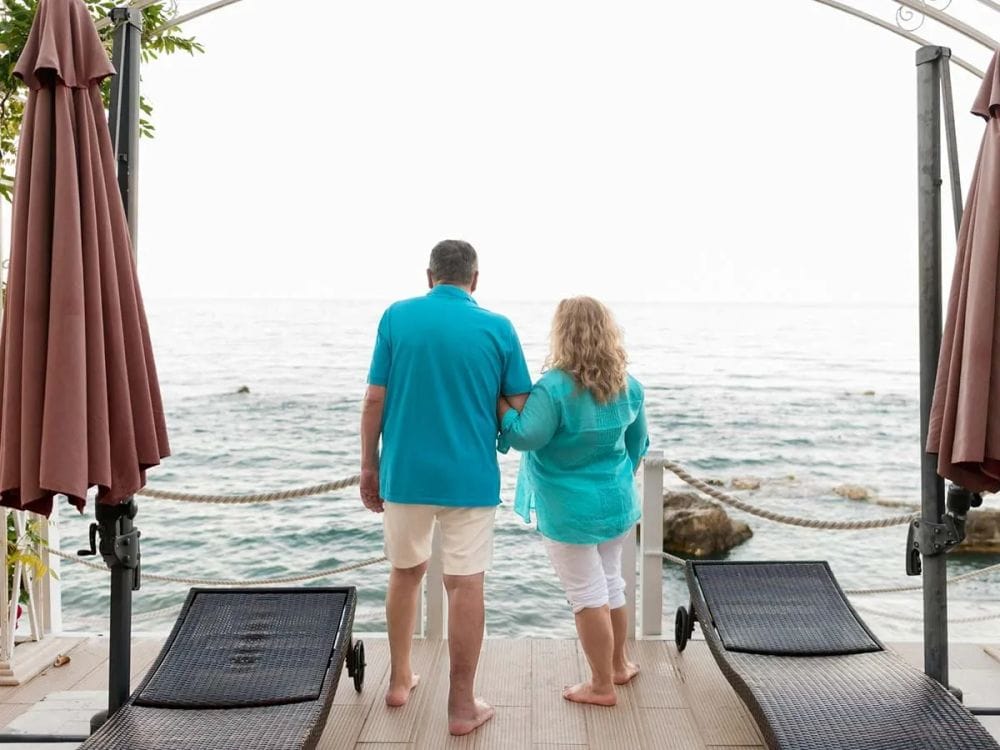
Brazil offers consistent tropical and subtropical climates. It is highly popular among retirees who want:
- Direct beach access
- Outdoor living
- Less seasonal disruption
- Year-round activity options
3. Strong Cultural Lifestyle
Brazil is known for its vibrant social and cultural environment:
- Festivals and cultural events
- Music and dance culture
- Community-centered living
- Rich regional diversity
Many expats describe it as a more “alive” daily experience.
4. Private Healthcare Affordability
Brazil offers both public and private healthcare systems. Many Americans choose private care due to lower costs compared to the U.S., faster appointment access, and highly quality specialists in urban areas.
The Reality Check: Challenges Americans Face

While the benefits are real, so are the challenges.
1. Visa and Residency Requirements
Americans must secure legal residency to stay long-term. Common pathways include retirement income-based residency, investment options, and family-based residency. This process requires thorough documentation, financial proof, and patience.
2. Language Barrier
Portuguese is essential for daily life. Notable challenges include navigating banking and government services, medical communication, legal documentation, and everyday interactions outside tourist zones. Even basic Portuguese makes a major difference in quality of life.
3. Bureaucracy and Administrative Delays
One of the most mentioned frustrations among expats is bureaucracy. Common issues include slow processing times, paperwork inconsistencies, multiple office visits, and complex documentation requirements. This is often cited in expat discussions as one of the hardest adjustments.
4. Safety Variability
Safety in Brazil is highly location-dependent. Some neighborhoods are very safe and modern, while others require caution and awareness. Lifestyle habits matter significantly, and successful expats typically adapt quickly to local safety norms.
5. Tax Obligations (U.S. Citizens)
American retirees must continue filing U.S. taxes regardless of where they live. This includes worldwide income reporting, potential taxation of retirement income, and foreign account disclosures. The U.S. system adds ongoing complexity even after relocation.
Healthcare: The Good and the Caution

Brazil’s healthcare system is often more affordable than the U.S., but varies widely.
- Strengths: High-quality private hospitals in major cities, affordable consultation costs, and skilled specialists available.
- Limitations: The public system can be inconsistent, rural areas have fewer options, and private insurance is strongly recommended.
Cost of Living: Not Always What People Expect

Brazil can be affordable—but not uniformly.
- Lower-cost living is possible in: Smaller inland cities and secondary coastal towns.
- Higher-cost living areas include: Rio de Janeiro (premium neighborhoods), São Paulo (central districts), and tourist-heavy coastal zones.
Your personal lifestyle choices will heavily influence your monthly budget.
Social Life: Easier Than Many Expect
Many American retirees are surprised by how quickly they can build a social life. Common ways expats connect include joining expat communities, taking language classes, participating in local hobby groups, and engaging in fitness and outdoor activities. Successful integration improves quality of life significantly.
Financial Planning Considerations
Before moving, Americans should carefully evaluate:
- Social Security timing
- Retirement account withdrawals
- Currency exchange risk
- Healthcare budgeting
- Emergency savings
Proper planning reduces long-term stress.
Pros and Cons Summary
Who Thrives Most in Brazil?
Retiring in Brazil tends to work best for Americans who:
- Have a stable retirement income mix
- Are genuinely open to cultural differences
- Are willing to learn basic Portuguese
- Can adapt smoothly to slower administrative systems
- Plan their cross-border finances carefully
Final Verdict: Is Brazil Right for American Retirees?
Brazil can offer a rewarding retirement lifestyle—but it is not a “plug-and-play” relocation.
The Key Difference: Brazil rewards flexibility, not rigid expectations.
For Americans who prepare properly, it can provide a lower-cost lifestyle, a warmer climate, and a more relaxed pace of life. But ultimate success depends heavily on your preparation, adaptability, and realistic expectations.
Can Americans retire in Brazil easily?
Yes, but it requires proper visa planning and financial documentation.
Is Brazil safe for American retirees?
Safety varies by location and requires adjustment to local conditions.
Do Americans pay taxes in Brazil?
Yes, on certain income, while still filing U.S. taxes annually.
Is healthcare good in Brazil?
Private healthcare is strong in major cities and affordable compared to the U.S.
What is the biggest challenge for Americans?
Language barriers and bureaucracy are the most common challenges.


