


Brazil is one of the most talked-about retirement destinations for people seeking warm weather, lower costs, and a more vibrant lifestyle. But like any international move, it comes with tradeoffs.

Some retirees fall in love with the beaches, people, food, and value. Others struggle with bureaucracy, language differences, and choosing the wrong city. So before you decide, it helps to look at the truth: What are the real pros and cons of retiring in Brazil?
This guide gives an honest breakdown of cost, healthcare, culture, taxes, infrastructure, safety, and daily life.
Why People Consider Retiring in Brazil
Brazil appeals to retirees because it offers:
- Warm climate in many regions
- Lower living costs than many U.S. cities
- Beautiful coastlines and nature
- Strong private healthcare in major areas
- Friendly social culture
- A large country with many lifestyle choices
- Better value for people earning in USD
The Big Picture: For flexible retirees, Brazil can feel like an incredible lifestyle upgrade.
The Biggest Pros of Retiring in Brazil

1. Affordable Cost of Living
One of the strongest reasons people move is the affordable cost of living. Depending on the city and neighborhood, retirees may pay less for rent, dining out, domestic help, transportation, services, and entertainment. Someone leaving a high-cost U.S. metro area may find major savings.
- Where It Helps Most: Mid-size cities, interior areas, northeastern beach cities, and non-luxury neighborhoods.
2. Vibrant Culture and Social Energy
Brazil is not a quiet, sterile retirement destination. It offers music, festivals, outdoor gatherings, café culture, a passion for sports, and family-centered communities. This vibrant culture helps many retirees feel alive and engaged.
3. Great Weather and Natural Beauty
Brazil gives you choices: tropical beach living, cooler southern climates, mountain towns, and urban coastal life. If weather matters to you, Brazil has an incredible range.
4. Strong Private Healthcare System
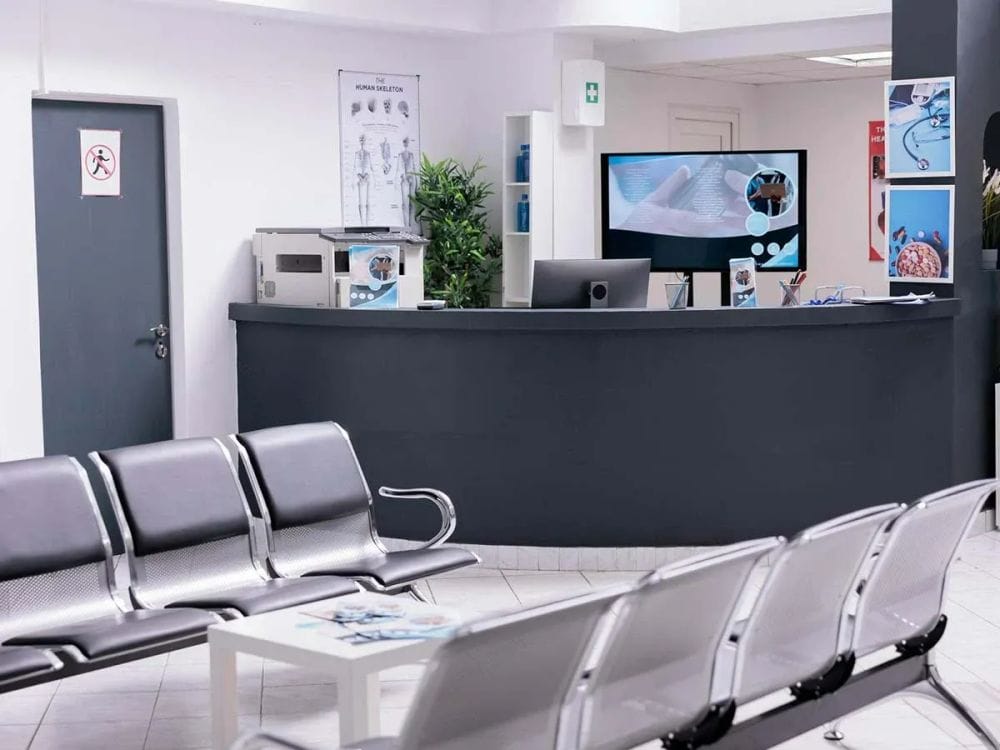
Brazil’s healthcare system includes both public and private options. Many expats choose private healthcare because it can offer faster appointments, modern hospitals, specialist access, and better comfort than many public systems. In cities like São Paulo, Curitiba, and Florianópolis, private care can be excellent.
5. Better Lifestyle on the Same Income

Many retirees discover their pension or Social Security stretches further. That can mean a better apartment, more dining out, housekeeping help, domestic travel, and overall reduced money stress. This is one of the hidden benefits of retiring abroad.
The Real Cons of Retiring in Brazil
1. Language Barrier

The language barrier is one of the biggest adjustments. Brazil speaks Portuguese—not Spanish. Without basic Portuguese, daily tasks like doctor visits, government paperwork, banking, repairs, and contracts can be much harder. Retirees who learn basic Portuguese usually adapt much faster.
2. Bureaucracy

Brazil can involve significant bureaucracy. Common examples include intense document requirements, bank account setup, residency paperwork, property processes, and certified translation requirements. Patience is important; many frustrated expats expected things to move much faster.
3. Safety Issues
Yes, safety issues are real in some areas. But the mistake many foreigners make is treating all of Brazil the same. Safety varies heavily by neighborhood, building security, time of day, personal habits, and city choice. Many retirees live comfortably by choosing the right areas and using common sense.
4. Infrastructure Gaps
Brazil has modern areas—but not every place has equal infrastructure. Potential frustrations include traffic, road quality in some zones, utility interruptions, public transit inconsistency, and administrative inefficiency. Prime neighborhoods often feel very different from weaker areas.
5. Distance From Family
Retiring abroad can create emotional costs, such as long flights home, missing holidays, grandchildren growing up far away, and time zone differences. This matters more as people age.
Healthcare: Pro or Con?
Healthcare can be both:
- The Pro: Private systems in top cities can be excellent and cost significantly less than many U.S. plans.
- The Con: Public systems may involve long waits, and smaller cities may have far fewer specialists.
Ultimately, your specific location determines your experience.
Taxes: What Many Retirees Miss
Moving abroad does not always remove your tax obligations. For U.S. citizens, US expat taxes often still matter.
Possible issues include:
- U.S. tax filing responsibilities
- Foreign bank account reporting (FBAR)
- Brazilian tax residency rules
- Specific pension treatment
- Investment reporting
This is completely manageable with proper planning—but ignoring it can be costly.
Who Usually Succeeds vs. Who Struggles?
Who Usually Loves Retiring in Brazil?
- Flexible personalities and adventurous retirees
- Beach lovers and social people
- People leaving expensive U.S. cities
- Those who are genuinely open to learning Portuguese
Who May Struggle?
- People needing perfect predictability
- English-only retirees
- Highly bureaucracy-sensitive personalities
- Those needing constant family proximity
- People who move permanently without visiting first
Cost Reality Check
Some people think Brazil means a “cheap paradise.” That is not always true. Luxury neighborhoods, imported goods, premium healthcare, and constant travel can raise costs quickly. Brazil can be highly affordable—but your lifestyle choices matter.
Best Strategy Before Moving
- [ ] Visit First: Spend 30–90 days in your target cities.
- [ ] Rent Before Buying: Learn the neighborhoods firsthand first.
- [ ] Build a Real Budget: Include taxes, insurance, and flights home.
- [ ] Learn Portuguese: Even a basic effort changes everything.
- [ ] Choose the Neighborhood, Not Just the City: This is critical.
Sample Retiree Outcomes
- Great Outcome: A couple with a stable income chooses a safe neighborhood, secures private healthcare, learns Portuguese, and rents first.
- Poor Outcome: A person buys property remotely, speaks no Portuguese, sets up no tax plan, and picks the wrong neighborhood.
The exact same country—but a totally different result.
The Honest Scorecard
Final Verdict: Is Retiring in Brazil Worth It?
For the right person, absolutely. Brazil can offer a better lifestyle value, a warm climate, a rich culture, good private healthcare, and more freedom on the same income. But it requires maturity, planning, and flexibility.
If you expect America in Portuguese, you may be disappointed. If you want a rewarding second chapter filled with adventure and true value, Brazil can be excellent.
FAQ
Is Brazil cheap for retirees?
Many areas are affordable compared with expensive U.S. cities.
Is healthcare good?
Private healthcare in major cities can be strong.
Is safety a problem?
Some areas yes, some areas no. Neighborhood choice matters.
Do I need Portuguese?
Not legally everywhere, but practically it helps enormously.
What is the biggest downside?
For many retirees: bureaucracy and language adjustment.


