


Compare retiring to Brazil from the US vs UK. Learn visa requirements, pensions, healthcare, taxes, and residency options for a smooth international move.

If you’re planning an international retirement, Brazil often stands out for its lifestyle, climate, and cost advantages. But depending on where you’re coming from, your path can look very different. So how does retiring to Brazil from the United States compare to moving from the United Kingdom?
This guide breaks down the key differences in visas, pensions, healthcare, taxes, and residency planning.
Do You Need a Visa for Brazil?
Yes—if you plan to stay long-term. Short visits may not require a visa, but retirement means applying for legal residency.
Searches like need a visa for Brazil and Brazil visa for US citizens are common because rules vary depending on your nationality and purpose of stay.
Brazil Retirement Visa: US vs UK Applicants
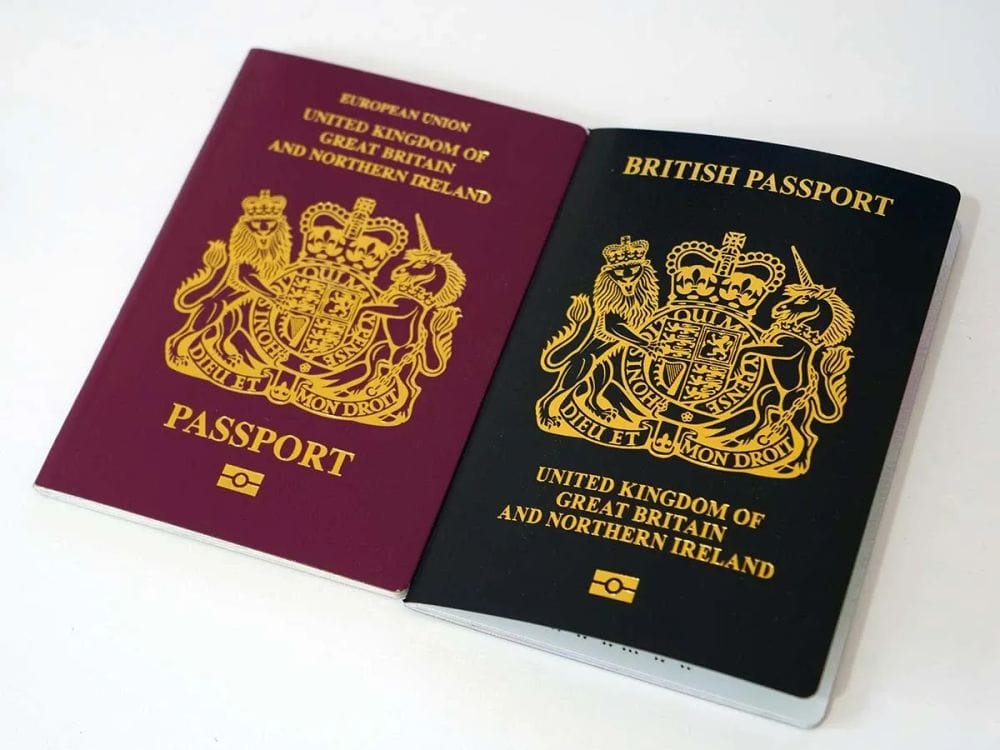
Both U.S. and UK retirees often use similar residency pathways, but documentation and processes differ slightly.
Common requirements include:
- Proof of recurring income (pension or passive income)
- Valid passport
- Clean background check
- Birth or marriage certificates
- Application through official visa application systems
While the structure is similar, how you obtain and verify documents can vary between countries.
Residency Brazil: What Are Your Options?
Retirees typically explore several legal pathways:
- Income-Based Residency: For those with a stable pension or passive income.
- Investment Routes: For individuals with significant capital.
- Family-Based Residency: Marriage or dependents can create eligibility.
- Long-Term Stay Transition: Some begin with temporary stays and convert later.
Searches like "residency in Brazil" and "moving to Brazil" reflect how important choosing the right pathway is.
Pension Differences: UK vs. US
Your retirement income structure plays a major role in your international relocation. The baseline systems differ significantly between both nations:
A Key Difference: UK retirees often rely heavily on a structured UK State Pension, while U.S. retirees may have more diversified, self-directed income sources.
Lifetime Pension vs. Flexible Retirement Income
Many UK retirees have a more predictable monthly income through defined lifetime pensions. In contrast, U.S. retirees often manage variable investment withdrawals, retirement accounts, and strategic Social Security timing.
This core difference directly affects your:
- Monthly budget stability
- Overall tax exposure
- Cross-border currency strategy
Because of this structural predictability, searches for a lifetime pension are highly common among UK retirees.
Healthcare: What You Need to Know
Healthcare planning is essential for both groups.
Brazil’s Healthcare System Offers:
- Public healthcare access (SUS)
- Modern private healthcare options
- Highly affordable treatment compared to the U.S.
However, the vast majority of expats from both countries prefer private insurance.
Best Health Insurance Plans for Expats
Whether you’re from the U.S. or UK, you’ll likely consider international health insurance, local Brazilian private plans, or hybrid coverage strategies. Searches like best health insurance plans and private health insurance are key early in the planning process.
Taxes: US vs. UK Expats in Brazil

This is arguably one of the absolute biggest differences between the two groups.
This citizenship-based taxation requirement makes long-term tax planning significantly more complex for Americans.
Brazil Taxes for Both Groups
Once you officially become a tax resident in Brazil:
- You may be taxed on your global income.
- Foreign pension treatment varies based on category.
- Local asset reporting requirements apply.
Searches like "expat taxes" and "income tax rate" reflect how important this compliance is.
Currency Considerations
Both groups must manage exchange rates—but with entirely different financial dynamics.
- US Retirees: The USD is widely accepted globally and has historically strong stability against the Brazilian Real.
- UK Retirees: GBP fluctuations can impact monthly purchasing power more noticeably.
A robust currency strategy becomes highly important for monthly budgeting, international wire transfers, and protecting long-term savings.
Moving Logistics: UK vs. US

While both groups face similar international relocation steps, distinct differences include:
From the US
- Longer average travel distance depending on the state
- U.S.-specific documentation and apostille processes
- Continuous U.S.-specific tax compliance
From the UK
- Easier access to European flight connections during transition
- Different pension documentation and verification systems
- A simpler tax exit from HMRC in some cases
Searches like "immigrate to Brazil" and "moving to Brazil" highlight these logistical concerns.
Cultural Adjustment
Both U.S. and UK retirees experience highly similar lifestyle adjustments:
- Navigating the language barrier (Portuguese)
- Adapting to a different, slower pace of life
- Working through local bureaucracy
- Learning new social norms
However, personal expectations can differ slightly based on your home-country systems.
Common Mistakes to Avoid
- Assuming the Process Is Identical: Each country has completely different documentation, apostille, and tax verification rules.
- Ignoring Ongoing Tax Obligations: This is especially critical for U.S. citizens who cannot escape the IRS.
- Not Planning Healthcare Early: Private local or international coverage should be arranged before making the move.
- Underestimating Currency Risk: Exchange rate swings can impact long-term fixed budgets over a decade.
- Skipping a Trial Stay: Always test living in your target Brazilian city before committing permanently.
Sample Scenario Comparison
- US Retiree Profile: Social Security income | IRA/401(k) withdrawals | Continuous ongoing IRS annual filing obligations.
- UK Retiree Profile: State Pension income | Private corporate pension | Potentially simpler tax exit structure from home country.
Both can live incredibly comfortably—but their foundational planning strategies differ.
Best Strategy for Retirees

- [ ] Identify and document your precise international income sources.
- [ ] Choose the correct visa or residency pathway for your situation.
- [ ] Fully understand your ongoing home-country tax obligations.
- [ ] Set up comprehensive private healthcare coverage.
- [ ] Plan your long-term currency transfers and banking setups.
- [ ] Visit multiple Brazilian cities on an extended trial stay.
- [ ] Build a realistic, milestone-based relocation timeline.
Final Verdict: US vs. UK Retirement in Brazil
Both U.S. and UK retirees can successfully relocate to Brazil—but their practical paths are not identical.
- U.S. retirees face more complex global tax obligations but often possess more flexible, self-directed income structures.
- UK retirees enjoy more predictable lifetime pension systems and a potentially simpler tax exit from their home country.
In both cases, ultimate success comes down to solid financial planning, thorough legal preparation, and proper lifestyle alignment. It is not just about where you’re coming from—but how well you prepare for where you are going.
FAQ
Do US citizens need a visa to retire in Brazil?
Yes, long-term residency requires a visa or residency permit.
Do UK citizens need a visa for Brazil?
Yes, for long-term stays and retirement purposes.
Which is easier: retiring from the US or UK?
UK retirees may have simpler tax situations, while U.S. retirees have more filing requirements.
What is the biggest challenge for US retirees?
Ongoing U.S. tax obligations.
What is the biggest challenge for UK retirees?
Managing currency fluctuations and pension transfers.


