


One of the biggest financial decisions you’ll make after moving abroad is simple—but high stakes: Should you buy or rent a house in Brazil?
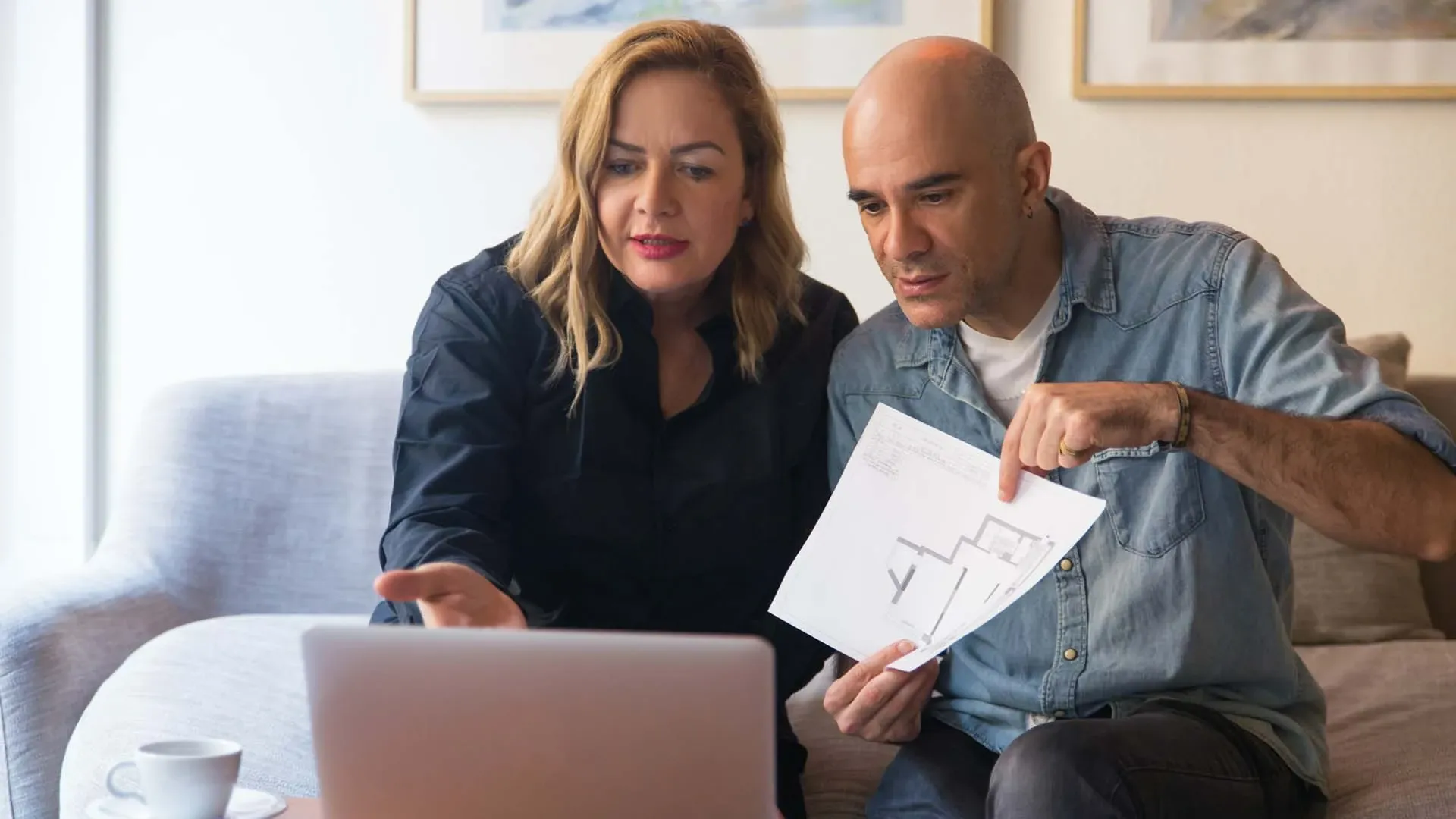
Many retirees dream of owning a beachfront condo or a quiet mountain home. Others prefer flexibility and lower risk. The truth is, the right choice depends on your timeline, finances, lifestyle, and how well you understand the local market.
This guide breaks down lease vs finance decisions, buying real estate, rental strategy, and how foreign retirees should approach housing.
The Core Question: Buy or Rent a House?
Before you think about listings or neighborhoods, ask yourself:
- How long will I stay in Brazil?
- Do I understand the local real estate market?
- Am I comfortable with legal and bureaucratic processes?
- Do I want flexibility or stability?
For most new arrivals, the answer is clear: Rent first. Buy later (if at all).
Why Renting Is the Smart First Move
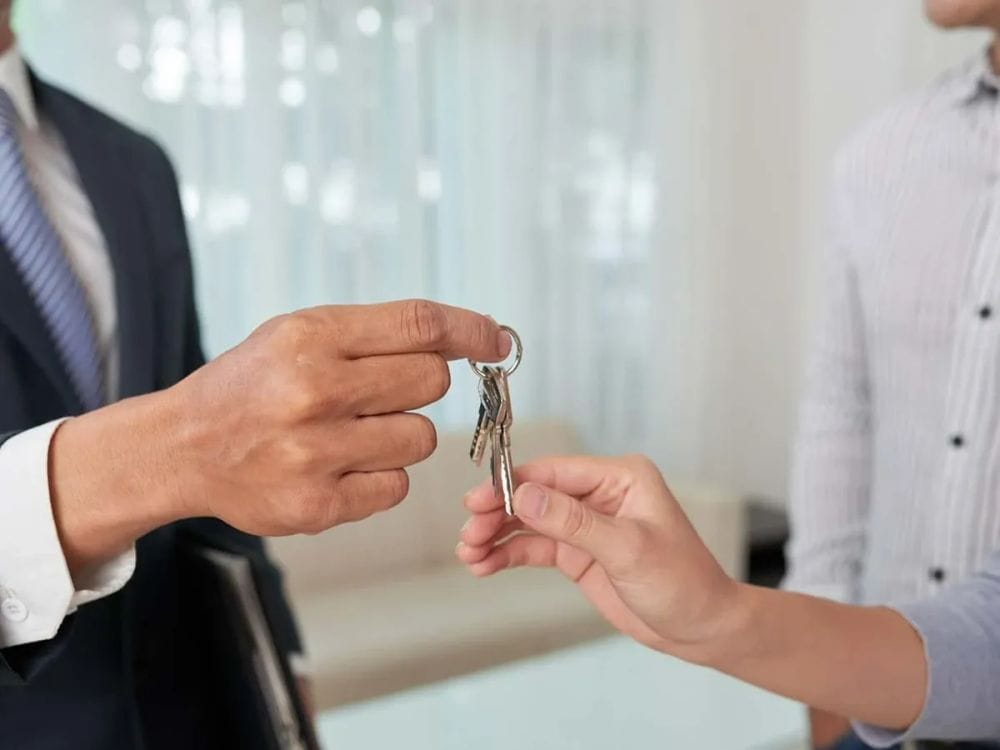
Most experienced expats recommend renting for at least 6–12 months.
Advantages of Renting
- Flexibility: You can change neighborhoods or cities easily.
- Lower Risk: No large upfront capital commitment.
- Market Learning: You learn pricing, contracts, and local expectations.
- Lifestyle Testing: Beach vs city vs inland may feel very different after a few months.
- Avoid Costly Mistakes: Many retirees regret buying too quickly.
Apartment Homes for Rent: What to Expect
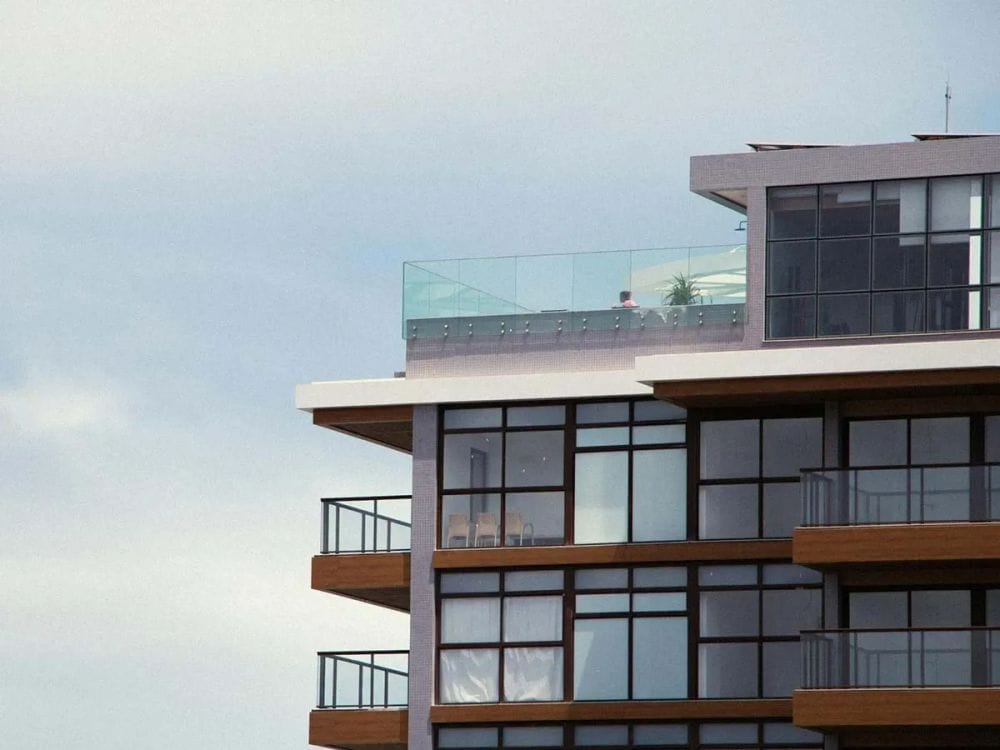
When searching for apartment homes for rent, you’ll notice:
- Furnished and unfurnished options
- Condo buildings with security
- Monthly leases or longer-term contracts
- Requirements like deposits or guarantors
- Varying levels of amenities
Popular features include 24-hour security, dedicated parking, elevators, and shared amenities like pools or gyms.
Realtor Rentals vs. Direct Listings
When searching realtor rentals, you’ll typically find two distinct routes:
- Realtor-Based Rentals: Offers a more structured process, formal contracts, and professional assistance, though sometimes at higher pricing.
- Direct Owner Rentals: Potentially lower cost and more flexibility with a less formal structure, but requires significantly more caution.
Both can work—just verify legitimacy before sending funds.
When Buying Real Estate Makes Sense
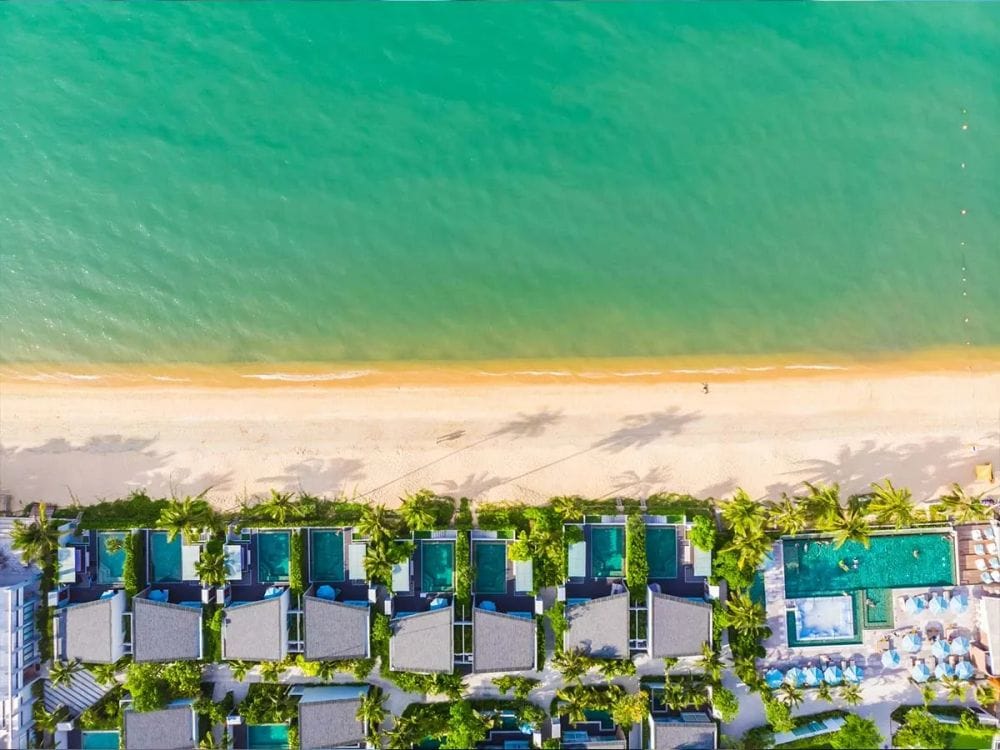
Buying can be a good move if:
- You plan to stay long term (3–5+ years)
- You thoroughly understand the market
- You’ve lived in the specific area already
- You want permanent stability
- You are financially secure and comfortable with local legal processes
Buying Real Estate in Brazil: Key Factors
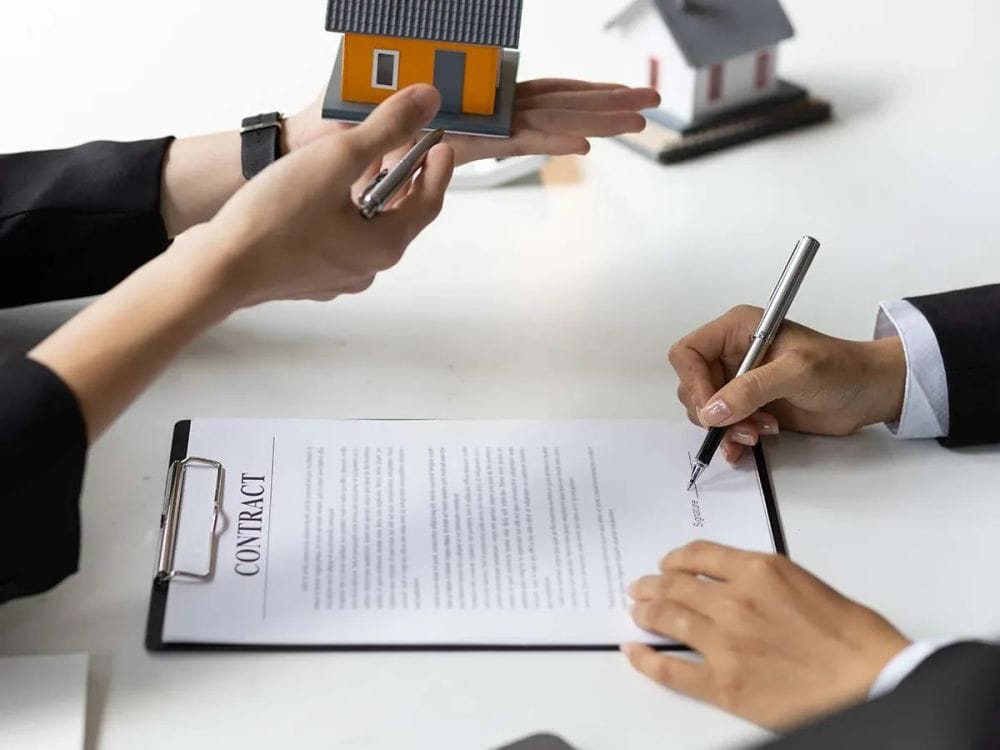
- Property Types: Condos (most common for retirees), houses, gated community homes, beachfront units, and urban apartments.
- Important Considerations: Property title verification, legal ownership structure, taxes and fees, maintenance costs, HOA (condo) fees, location safety, and resale potential.
Crucial Rule: Always use qualified, independent legal help when buying real estate abroad.
Buying Income Property: Smart or Risky?

Some retirees consider buying income property to generate rental income.
- Potential Benefits: Monthly cash flow, asset diversification, and vacation rental opportunities.
- Risks: Vacancy periods, property management challenges, currency fluctuations, local tenant laws, and unexpected maintenance costs.
If your primary goal is a retirement lifestyle—not investing—it is usually best to keep it simple.
Buying a Second Property Abroad
Some retirees buy a second property while keeping a home in their home country.
- Advantages: Keeps a permanent base in both countries, ensures an easier transition, and offers flexible travel options.
- Downsides: Dual property expenses, maintenance in two locations, and added cross-border tax complexity.
Lease vs. Finance: Financial Breakdown
Cost Comparison Example
- Renting Scenario: Monthly rent: $1,200 | Annual cost: $14,400 | No long-term capital commitment.
- Buying Scenario: Property price: $200,000 | Taxes, fees, and maintenance: ongoing | Potential appreciation or depreciation.
The “better” option depends heavily on how long you stay and how the local market performs.
Hidden Costs to Keep in Mind
Hidden Costs of Buying
Many retirees underestimate the extra transaction costs:
- Legal and notary fees
- Document translation costs
- Local property taxes (IPTU)
- Ongoing maintenance and repairs
- Monthly condo/HOA fees (condomínio)
- Inbound currency exchange fees
Buying is never just about the sticker purchase price.
Hidden Costs of Renting
Renting also has its unique costs:
- Upfront security deposits or bond fees
- Annual inflation-adjusted rent increases
- Limited ability to customize the space
- Moving costs if you choose to relocate
Still, the overall financial risk is usually much lower than buying property too early.
Best Housing Strategy for Foreign Retirees
- [ ] Step 1: Rent First — Stay at least 6–12 months on a temporary lease.
- [ ] Step 2: Explore Multiple Neighborhoods — Visit target areas during different times of day and night.
- [ ] Step 3: Understand Local Pricing — Carefully compare local listings versus expat-targeted listings.
- [ ] Step 4: Build a Local Network — Connect with local real estate agents, fellow expats, and neighborhood locals.
- [ ] Step 5: Decide If Buying Fits Your Life — Remember, not everyone needs to own property abroad to be happy.
Common Mistakes to Avoid
- Buying Immediately After Arrival: This carries a remarkably high regret rate.
- Ignoring Legal Due Diligence: Skimping on legal checks is critical mistake in foreign markets.
- Falling for “Deal” Pressure: Never let an agent rush you; take your time.
- Choosing Based on Vacation Experience: Living daily life in a neighborhood is very different than visiting it.
- Overestimating Rental Income: Market realities and vacancies may differ from optimistic developer spreadsheets.
Who Should Rent Long-Term vs. Who Should Buy?
Who Should Rent?
- Expats uncertain about their long-term location
- Frequent travelers who want a lock-and-leave lifestyle
- Budget-conscious retirees
- People who value ultimate flexibility
- First-time expats
Who Should Buy?
- Confirmed long-term residents (3–5+ years)
- Financially stable retirees with clear asset protection
- People who thoroughly understand the local market
- Those wanting a completely permanent, customized base
Final Verdict: Should You Rent or Buy in Brazil?
For most foreign retirees, the smartest move is: Rent first. Decide later.
Buying can be a fantastic long-term decision—but only after you fully understand the market, know your specific neighborhood inside and out, confirm your daily lifestyle preferences, and plan your cross-border finances carefully.
There is absolutely no rush. The best housing move is always the informed move.
FAQ
Should I rent or buy a house in Brazil?
Most retirees should rent first, then consider buying after 6–12 months.
Is buying property in Brazil safe?
It can be, but legal due diligence is essential.
Can foreigners buy property?
Yes, in many cases, but rules and processes must be followed.
Is rental income reliable?
It depends on location, demand, and management.
What is the biggest mistake retirees make?
Buying too quickly without understanding the market.


